Pages

.

Showing posts with label plant. Show all posts

New Food Varieties From Plant Enbryo Culture

Natural pollination was used for years in plant research. it was thought to be the only way that a "pure" line could be preserved. Plants vary in characteristics depending on altitude and longitude. Crossing plants from different geographical region was the method put forward by Nobel Prize Laureate Dr Norman Borlaug who led the way in the Green Revolution.

This method only produced three generations of new varieties each year. A different system was needed. Embryo culture is the result. This is used in combination with changes in water, temperature, humidity, light and potting mix and is much more productive. Plant embryos are like stem cells. The neutral "baby" plants are nurtured and placed onto a media culture that determines what type of plant they will become.;

Pure-line plant genotypes are obtained in a shorter period. This is a major change in the creation of new crops that will feed the world's growing population. It will obviously take several decades to achieve the higher growth rates of the new food crops. However, scientists are optimistic.
. . . . . . . . . . . . . . . . . . . . . . . . . . . . . . . . . . . .
Conservation by Ty Buchanan
     Australian Blog                         
ALL BLOG ARTICLES· ──► (BLOG HOME PAGE)
Share Article
reade more... Résuméabuiyad

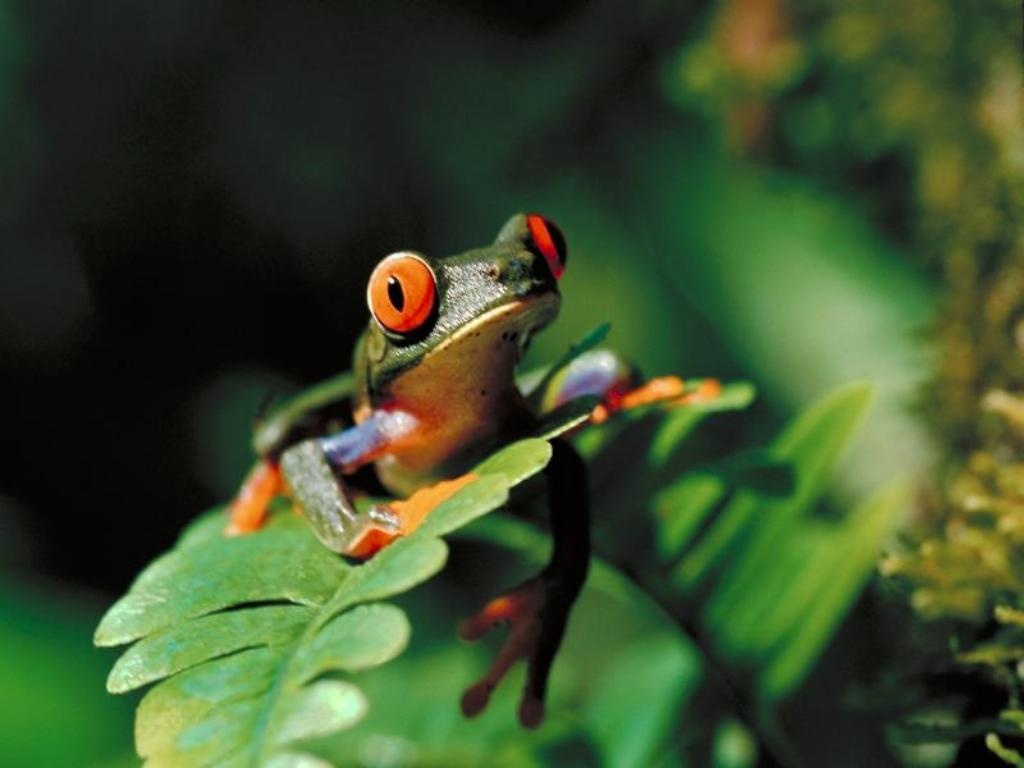
Frog Alone

"Who you lookin' at?"
. . . . . . . . . . . . . . . . . . . .
Funny Animal Photos
TwitThis
-------Australian Blog-------
reade more... Résuméabuiyad

Black Tulips and Blue Roses - All Is Possible

The black tulip will soon be a reality. Development of a blue rose has nearly be achieved. A new rose that is "nearly" blue is soon to be released onto the Japanese market. The asking price - a quite low $30 each.

There is no blue pigment in a rose, so it is impossible for a natural rose to display this color. The tone has to be put into the plant. It has been done by genetically splicing color into the rose from Petunias. This flower has a blue pigment called Delphinidin. The combined project by both Japanese and Australians has taken twenty years to create the "blue" rose.

American nurseryman Samuel Parsons said as long ago as the 19th century that one day scientific advances would lead to the cultivation of a blue rose. Attempts have been made in the 20th century. A blue-grey rose was bred, but it flowered only once.

For many years roses dyed blue have sold well in England. Unfortunately, horticultural advisor to the Royal Horticultural society, Helen Bostock, believes a blue rose will not be accepted. She is probably wrong about this. People are fascinated by anything new. It is probably "sour grapes" that the blue rose was not created in England. Another English rose grower Bernard Mehring is a bit miffed as well. He says he wouldn't grow it in his garden. He wants British controls to keep the plant out of the country. This is a sad situation that wreaks of elitism. China, however, will want the new rose because there a blue flower signifies hope toward reaching an unattainable love.
. . . . . . . . . . . . . . . . . .
Society
TwitThis
reade more... Résuméabuiyad